
01
Choose the nearest sensible location
Start with the branch page that fits your journey. Current opening details and paused local interest are easier to compare before you contact the school.
Weekend supplementary Russian school for children
The school helps children aged 3-18 keep Russian language, literature, culture, and confidence alive in a warm weekend classroom setting.
Classes are designed for different levels of Russian, from early language exposure through reading, writing, speaking, culture, and GCSE or A Level preparation.
Classroom rhythm
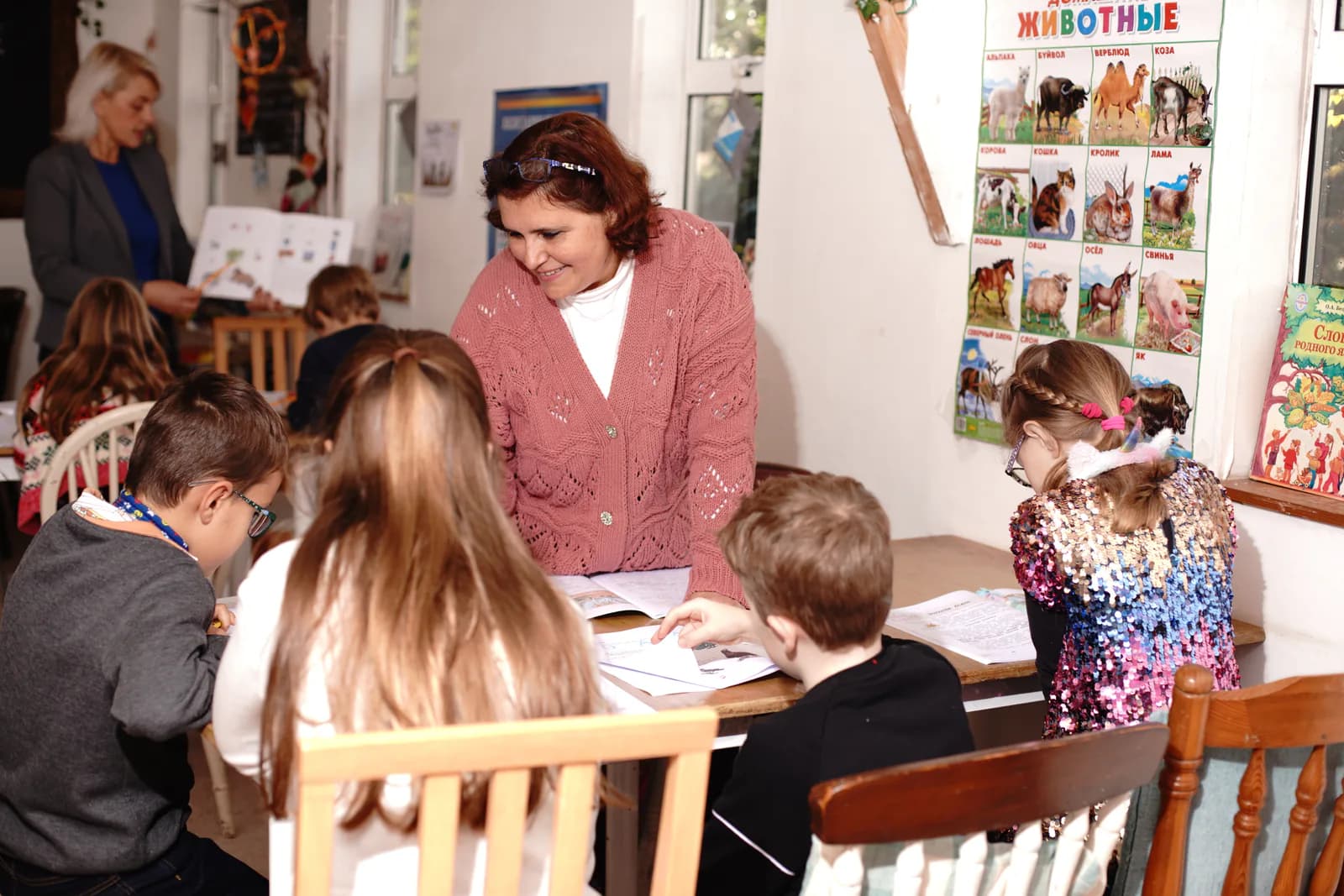
Teacher-led classroom learning.
3-18
Children and young people
Parent journey
The first step is not choosing a package. It is making the child's weekend, language background, and learning goal clear enough for the school to advise the next move.
Pushkin's School is the local weekend school offer, with Volna Online Russian School and GCSERussian.com presented as separate options for distance learning or exam preparation. The right option depends on distance, current confidence, and whether your family needs regular classes, online support, or exam preparation.
01
Start with the branch page that fits your journey. Current opening details and paused local interest are easier to compare before you contact the school.
02
Age matters, but so do confidence, home language exposure, reading, writing, and whether exams are already part of the family plan.
03
A useful enquiry names the preferred location, the child's current Russian, and the next step you need: a place, advice, online support, or exam preparation.
Our schools
Families can compare 5 listed locations, including 1 current in-person branch and 4 local interest areas, then use the enquiry form to ask about the realistic next step.
Learning approach
The curriculum page gives parents a clearer pathway into language confidence, cultural connection, literature, and exam-aware progression without asking them to diagnose the perfect group alone.
01
Children build speaking, listening, reading, writing, and grammar through age-aware groups, with space for different home-language backgrounds.
02
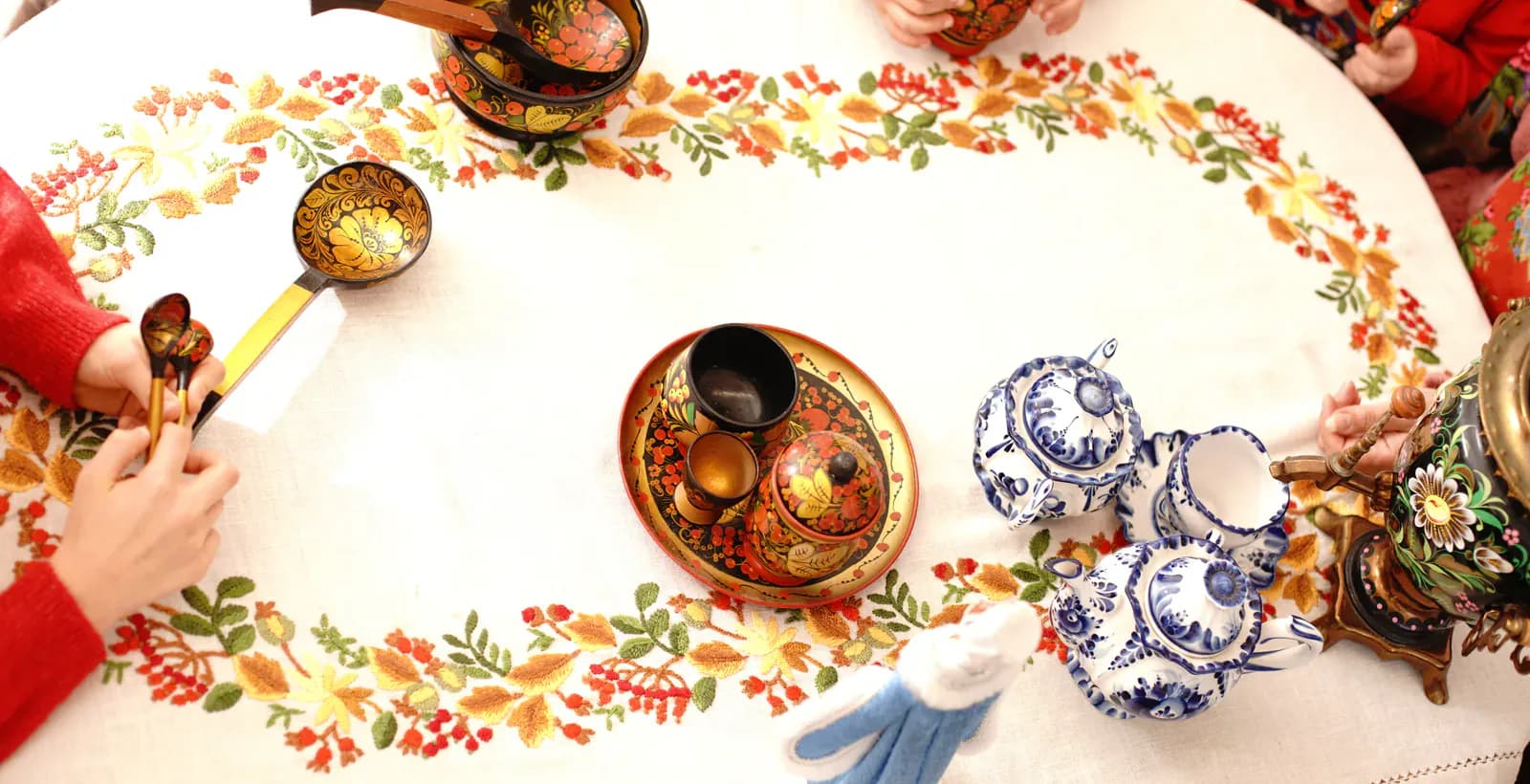
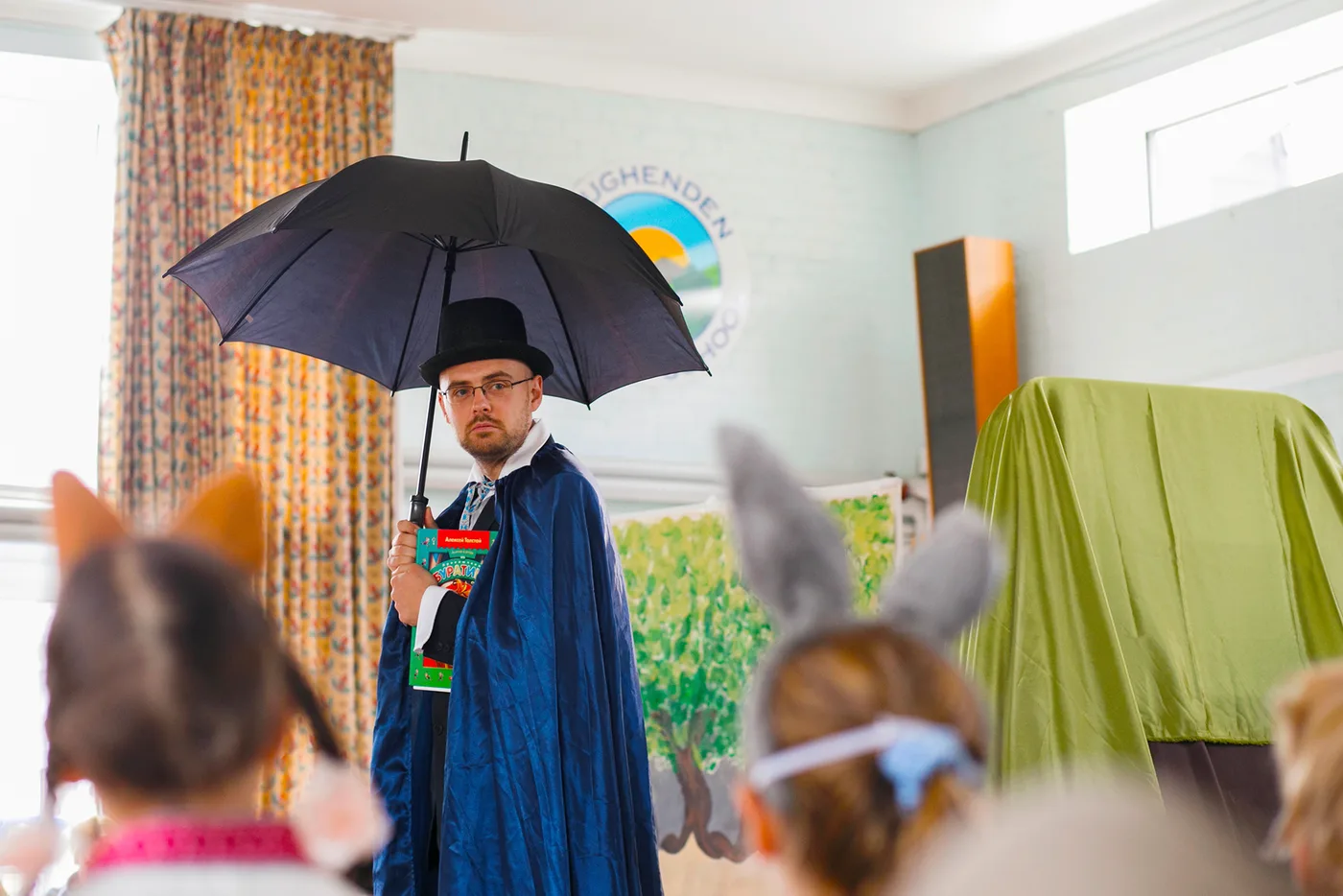
Lessons connect Russian with stories, poetry, performance, traditions, and creative work so language feels meaningful, social, and lived-in.
03
Older pupils can discuss GCSE or A Level goals early, so the school can confirm whether a local class, online lessons, or focused self-study is the best option.
Placement
Families do not need to solve the level question before enquiring. The school separates first contact, teacher placement, and the first-weeks check-in so the start can be sensible for the child.
Placement 1
Families share the child's age, school year, spoken Russian exposure, reading and writing confidence, and any GCSE or A Level aims.
Placement 2
Teachers use the enquiry details, branch availability, and the child's current confidence to suggest the most sensible starting group or learning option.
Placement 3
Placement can be reviewed during the introductory period so pupils are challenged without being overwhelmed or placed only by age.
Enquiry 1
Review the branch status, venue, schedule, class groups, and next-step guidance before enquiring.
Enquiry 2
Include age, home-language exposure, Russian speaking, reading and writing confidence, and any GCSE or A Level goals.
Enquiry 3
The school can confirm current places, future local interest, online alternatives, introductory options, and the most suitable starting group.
Ready to start?