
In the classroom
Russian is treated as a living language
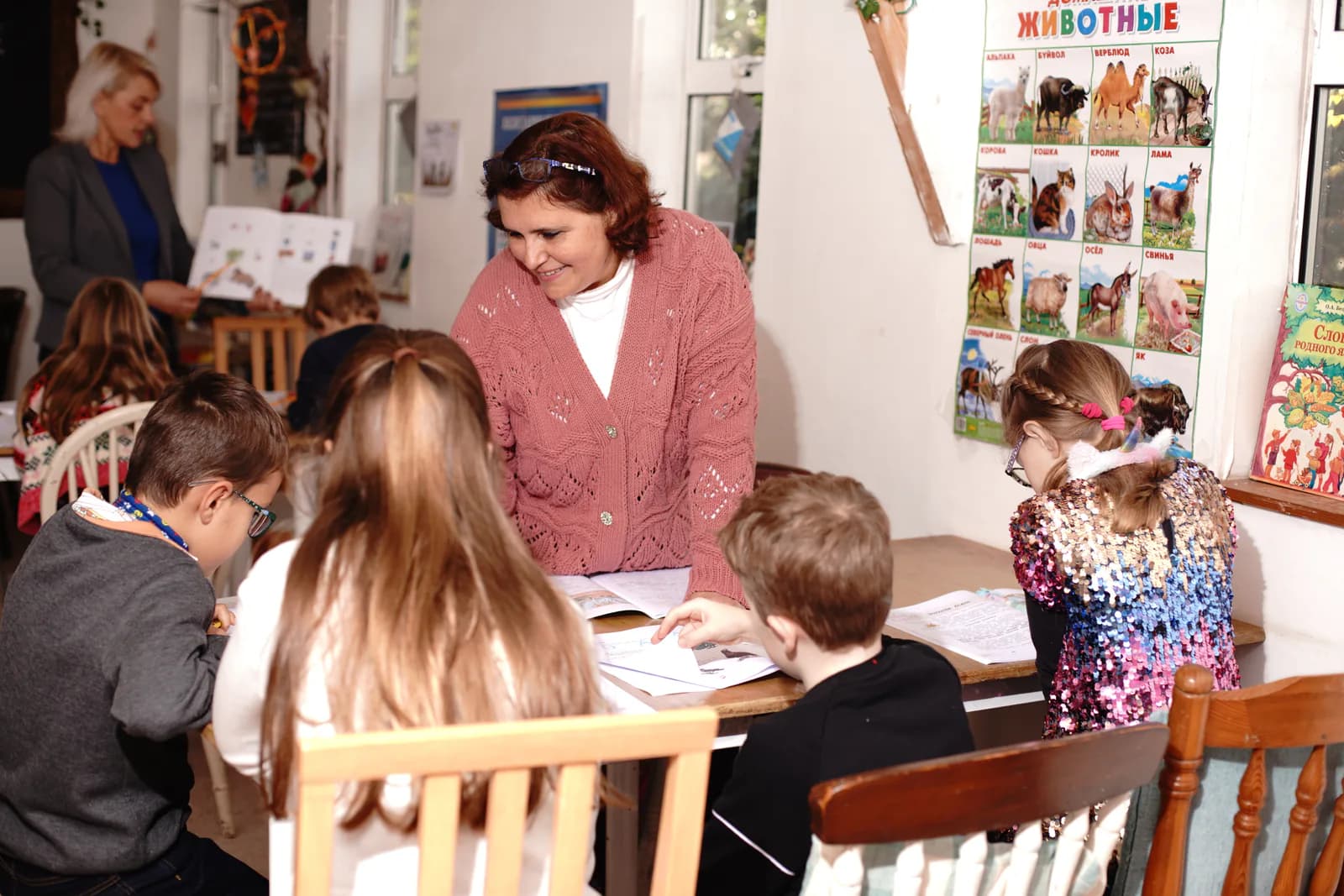
Children meet Russian through speaking, reading, writing, stories, cultural work, and creative school moments rather than a narrow vocabulary-only routine.
About Pushkin's School
Pushkin's School is a warm, academic weekend supplementary school for children studying Russian language, literature, and culture in the UK. Families can see the learning approach, locations, admissions pathway, and policy structure before they enquire.
School life
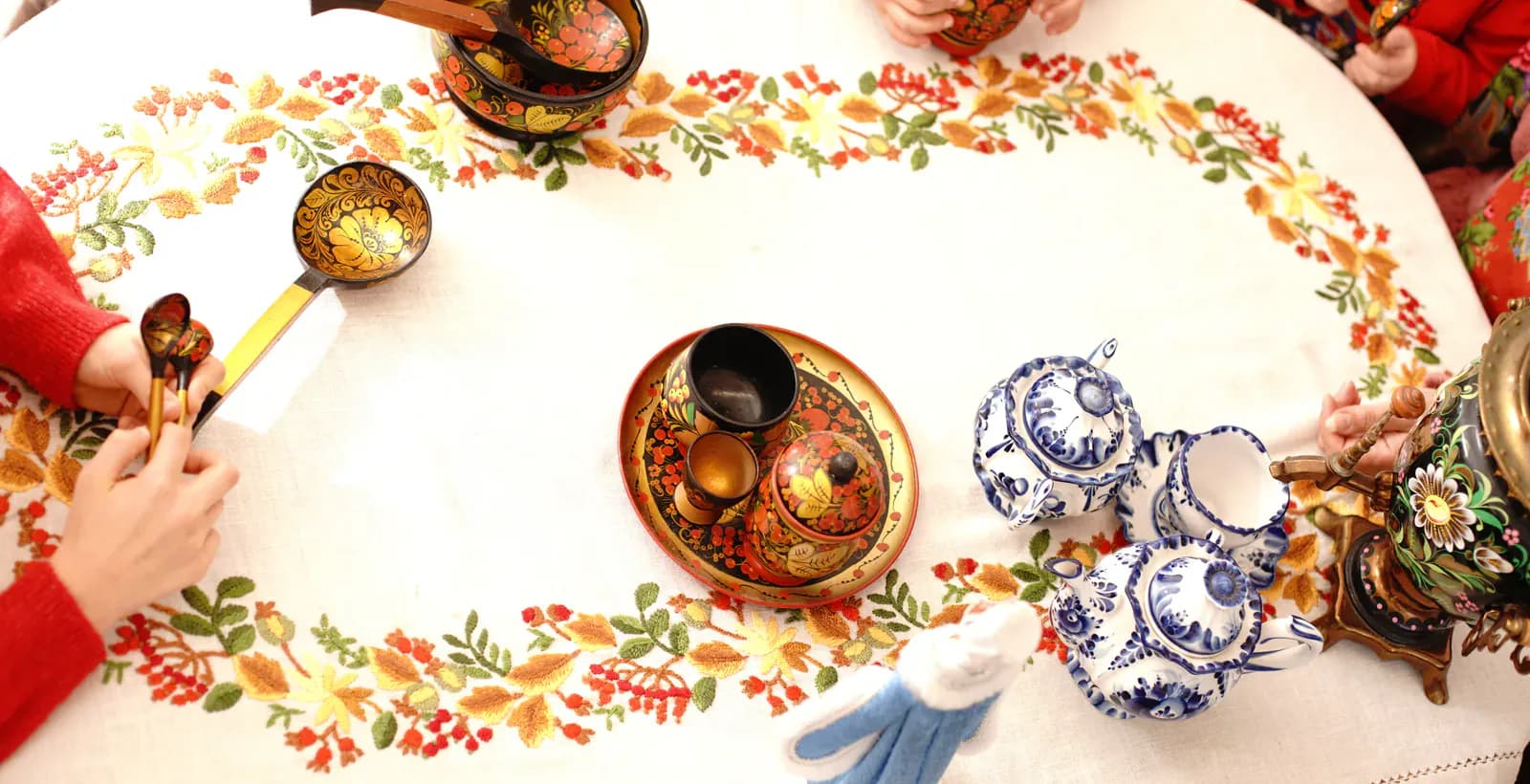
Cultural materials from the Exeter archive.
School story
Parents need to see more than a list of subjects. Pushkin's School is a long-term educational setting: a place where Russian is practised, read, written, performed, and kept culturally alive across childhood.
The school's public message focuses on what matters most to parents: a reliable weekend rhythm, thoughtful placement, clear branch information, and careful safeguarding and policy signposting.
Families can understand the school's standards and rhythm through practical detail rather than generic promises.
The shape of the story
In the classroom
Children meet Russian through speaking, reading, writing, stories, cultural work, and creative school moments rather than a narrow vocabulary-only routine.
Across childhood
The school presents learning as a steady supplementary pathway, from early confidence through more structured language, literature, and exam-aware preparation where relevant.
At the start
Age is useful, but it is not the whole story. Home language exposure, confidence, reading, writing, and teacher judgement all shape the first recommendation.
What families notice
The strongest public story is the one families can recognise: a child arriving with a particular mix of confidence, hesitation, ability, and family context, then being guided into a suitable learning rhythm.
This page keeps the claims modest while giving parents a clearer feel for the school: warm, structured, culturally grounded, and practical about placement.
The public site should make room for seriousness, care, and warmth in the same breath.
Literature, performance, creative work, and shared traditions help explain why families choose a weekend school.
Location, age, confidence, reading, writing, and goals are treated as useful context rather than barriers to asking.
Public claims can grow as suitable photos, staff details, certificates, and archive material are reviewed for family-facing use.
Curriculum and placement
Common class groups, an introductory period, and teacher judgement help new pupils start in a sensible place. This is presented as a measured parent journey instead of a quick set of cards.
Step 1
Families share the child's age, school year, spoken Russian exposure, reading and writing confidence, and any GCSE or A Level aims.
Step 2
Teachers use the enquiry details, branch availability, and the child's current confidence to suggest the most sensible starting group or learning option.
Step 3
Placement can be reviewed during the introductory period so pupils are challenged without being overwhelmed or placed only by age.
Education philosophy
The school message centres on bilingual development, practical communication, cultural literacy, and a shared curriculum. Together, these principles form a coherent philosophy rather than a set of interchangeable boxes.
The school approach develops verbal, written, social, and cultural confidence through practical Russian learning.
Branches follow a common school structure, with class groups and lesson plans that can be updated from central data.
Language learning is supported by literature, performance, traditions, and age-aware creative work.
Public record
The website can help families now without overstating the record. It gives practical school information first, then leaves room for more public proof points as they are reviewed.
Use these for current location details, availability language, and the best next step for a local enquiry.
Use these to understand the learning route before asking about the right class group.
Use these to check the school structure and share the practical information needed for a useful reply.
Parent confidence
The school can add more history, staff detail, trips, certificates, and photographs over time while keeping the current parent journey clear and reliable.